
The Complete Guide to Tactical Recognition Flash Training
In high-pressure environments, seconds matter. Whether in law enforcement, military operations, or civilian self-defense, the ability to rapidly identify threats and make decisions can determine outcomes. Tactical recognition flash training is designed to sharpen visual threat identification, accelerate cognitive reaction drills, and strengthen situational awareness training.
Understanding tactical recognition flash techniques can significantly improve tactical decision-making under stress while enhancing overall combat readiness training.
What Is Tactical Recognition Flash
Tactical recognition flash refers to rapid visual exposure drills designed to improve threat recognition speed. During these exercises, participants are shown images, scenarios, or simulated environments for brief moments. The goal is to train the brain to process critical information quickly and respond accurately.
This method is widely used in tactical recognition training, military tactical drills, and law enforcement training exercises. It strengthens neural pathways responsible for visual processing and rapid decision-making training.
Unlike traditional classroom instruction, flash recognition training exercises simulate real-world unpredictability and time constraints.
Why Tactical Recognition Flash Matters
Modern operational environments are dynamic and unpredictable. Situational awareness training prepares individuals to scan environments, identify anomalies, and react appropriately.
Tactical recognition flash drills improve:
- Visual threat identification
- Pattern recognition speed
- Defensive response techniques
- Cognitive processing efficiency
- Reaction time under stress
In high-stress simulation training, individuals must distinguish between threats and non-threats instantly. Tactical recognition flash exercises replicate these conditions safely and effectively.
The Neuroscience Behind Rapid Recognition
The brain processes visual stimuli in milliseconds. Repeated exposure through flash recognition training exercises strengthens neural connections in the visual cortex and prefrontal cortex.
When individuals engage in tactical decision-making under stress, the brain relies on pattern recognition rather than slow analytical thinking. Tactical recognition flash drills condition this pattern recognition system.
Cognitive reaction drills also reduce hesitation. By improving neural efficiency, participants develop faster, more confident responses during threat identification training for beginners and advanced professionals alike.
Core Components of Tactical Recognition Flash Training
Rapid Image Exposure
Participants are shown images of tactical scenarios for brief durations. These may include urban environments, vehicle stops, or simulated combat zones.
Scenario-Based Simulation
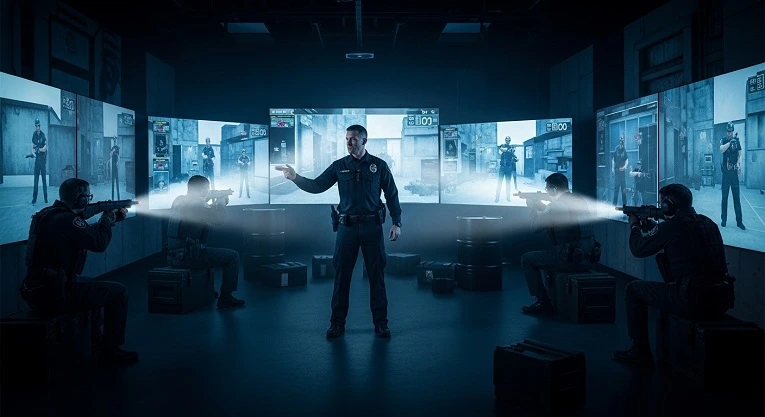
High stress simulation training incorporates realistic audio and visual cues. This improves combat readiness training and prepares individuals for unpredictable situations.
Reaction Time Measurement
Tracking response times allows for measurable improvement. Many programs use digital tools to assess progress.
Stress Conditioning
Stress exposure during drills enhances performance in real operations. Tactical recognition flash training helps reduce panic responses and improve clarity.
Who Uses Tactical Recognition Flash Training
Military Personnel
Military tactical drills incorporate flash-based recognition systems to enhance battlefield awareness.
Law Enforcement Officers
Law enforcement rapid response drills rely heavily on visual threat identification training. Officers must quickly assess risk and respond appropriately.
Security Professionals
Private security teams use situational awareness training methods to monitor crowds and protect assets.
Civilian Self Defense Practitioners
Tactical recognition training is increasingly adapted for civilian applications. Individuals interested in personal safety can benefit from learning defensive response techniques.
Tactical Recognition Flash Training at Home
While professional programs provide advanced tools, individuals can begin basic flash recognition training exercises at home.
Steps include:
- Use printed or digital flash cards showing various environments.
- Limit viewing time to two seconds per image.
- Identify potential threats or anomalies.
- Review responses and analyze accuracy.
- Gradually increase complexity.
Digital flash simulation tools and VR tactical recognition systems are emerging technologies that allow immersive practice environments.
Equipment and Tools
Modern tactical recognition flash systems may include:
- VR tactical recognition systems
- Augmented reality simulation platforms
- Digital flash card software
- Reaction time tracking applications
- Video-based scenario playback systems
These tools enhance engagement and improve measurable results in cognitive reaction drills.
Benefits of Tactical Recognition Flash Training
Consistent practice leads to:
- Faster situational assessment
- Reduced decision paralysis
- Improved defensive response techniques
- Enhanced confidence under pressure
- Greater operational readiness
Professionals engaged in threat identification training for beginners often see rapid improvement within weeks.
Common Mistakes in Tactical Recognition Training
- Overtraining without rest
- Ignoring stress management techniques
- Failing to measure progress
- Relying only on static images without scenario variation
Balanced training improves long term performance and cognitive resilience.
The Future of Tactical Recognition Flash Systems
Emerging technologies are integrating artificial intelligence into training simulations. AI-powered systems adapt scenarios based on performance data.
VR tactical recognition systems create immersive environments where participants can practice tactical decision-making under stress in highly realistic settings.
As technology evolves, tactical recognition flash training will become more accessible and data-driven.
Frequently Asked Questions
How does tactical recognition flash improve reaction time
By repeatedly exposing the brain to rapid visual stimuli, neural processing speed increases.
Is tactical recognition training only for professionals
No. While widely used in military tactical drills and law enforcement training exercises, civilians can benefit from basic situational awareness training.
How often should tactical recognition flash drills be practiced
Two to three focused sessions per week provide steady improvement without cognitive overload.
Conclusion
Tactical recognition flash training enhances situational awareness, accelerates visual threat identification, and strengthens rapid decision-making training. By combining neuroscience principles with practical drills, individuals can significantly improve reaction speed and performance under stress.
Whether used in military tactical drills, law enforcement rapid response drills, or civilian self-defense training, tactical recognition flash methods provide measurable improvements in cognitive readiness and operational effectiveness.
Consistent, structured practice transforms perception into precision and awareness into action.